Category: Uncategorized

  • T-Shirts a brief history

    T-Shirts a brief history

    Where it began


    The T-shirt is one of the most essential pieces in a modern man’s wardrobe. Simple, versatile, and comfortable, it’s easy to forget that the T-shirt was never originally intended to be worn on its own.

    In the early 20th century, T-shirts were designed as lightweight undershirts. Sailors in the United States Navy wore them beneath their uniforms because they were breathable and practical in warm conditions. The garment’s simple construction — a body with short sleeves forming a “T” shape — is what ultimately gave the shirt its name.

    At the time, these shirts were strictly considered underwear and rarely worn in public on their own.

    Hollywood Changed Everything

    The transformation of the T-shirt into a style statement began in the 1950s.

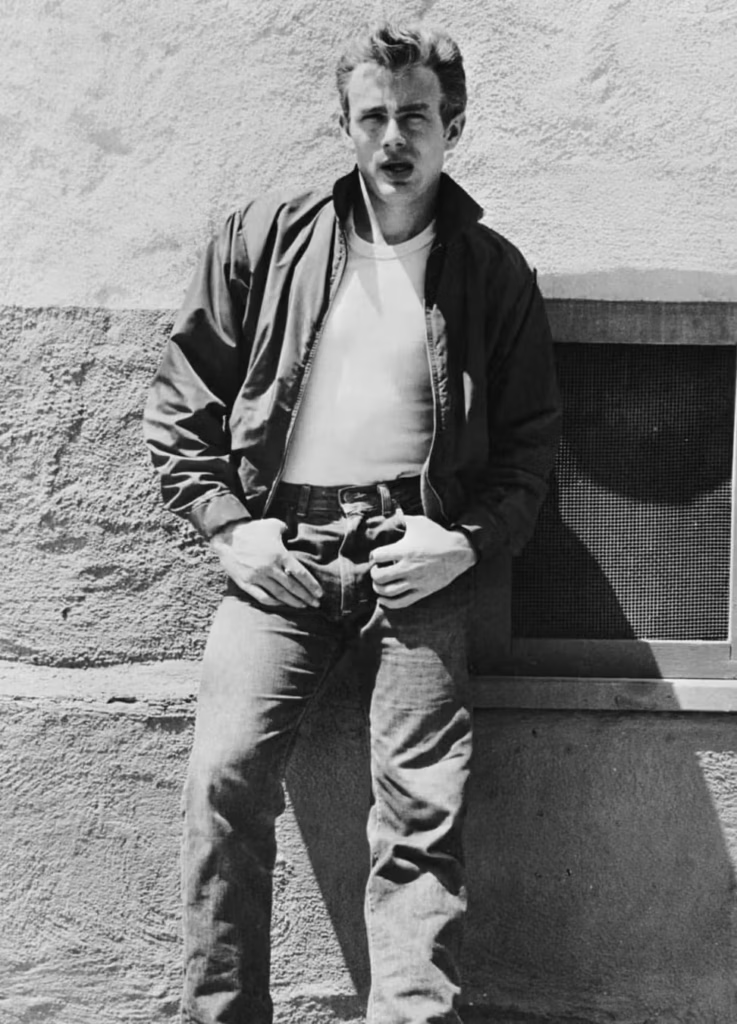
    Actors such as Marlon Brando in A Streetcar Named Desire and James Dean in Rebel Without a Cause famously wore plain white T-shirts on screen. Their confident, rebellious image turned what had once been hidden underwear into a symbol of effortless masculinity.

    After these films, the T-shirt quickly became associated with youth culture and casual style.
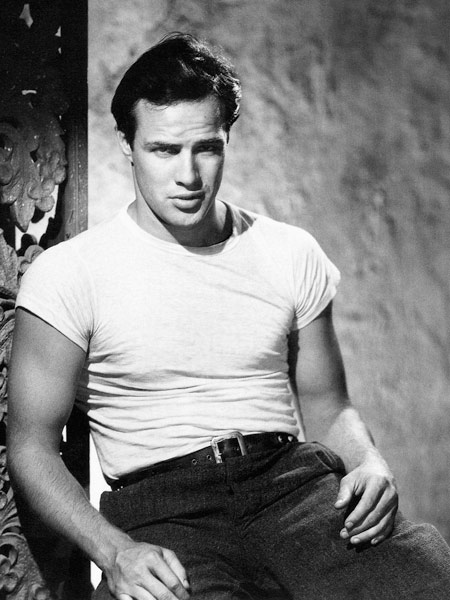
    A Streetcar Named Desire (1951) © Warner Bros. Entertainment Inc. / Brando Enterprises, L.P.
    Rebel Without a Cause (1955) © Warner Bros. Entertainment Inc. / James Dean Inc.

    The Rise of Graphic Tees

    By the 1960s and 70s, the T-shirt had become more than just a basic garment. It evolved into a canvas for expression.

    Brands and organisations began printing logos, slogans, and artwork onto T-shirts. Early examples even promoted films such as The Wizard of Oz. Soon after, graphic tees became a way for people to show their interests, from music and sports to politics and humor.

    Original Image from wizard of oz 1939 (up scaled using Gen AI) – © Turner Entertainment Co. A Warner Bros. Entertainment Company

    Today, the graphic T-shirt remains a staple in street wear and casual menswear.


    Why the T-Shirt Remains a Wardrobe Essential

    Despite constant changes in fashion, the T-shirt has remained timeless. Its appeal lies in its simplicity and versatility. A well-fitted T-shirt can be worn on its own in summer, layered under jackets and over shirts, or paired with denim for an effortlessly classic look.

    From its beginnings as a military undershirt to its place as a cornerstone of modern menswear, the T-shirt proves that the simplest pieces are often the most enduring. But while the T-shirt is a universal staple, not all are created equal. Finding the right one depends entirely on the “vibe” you’re aiming for—whether that’s the understated elegance of a premium basic or the bold statement of a graphic print.

    Choosing the right T-Shirt

    To help you navigate the endless options available today, we’ve rounded up the essential styles every wardrobe needs.

    Plain

    The plain T-shirt is the workhorse of your closet. Its beauty lies in its “blank canvas” nature.

    • The Heavyweight Cotton: Best for a structured, “boxy” look. These feel more like an outer layer and pair perfectly with rugged denim or work wear trousers.
    • The Lightweight Pima: With a slight sheen and a softer drape, these are your go-to for layering under a navy blazer or a leather jacket. They lean more “smart” than “casual.”

    Graphic

    If plain tees provide the foundation, graphic tees provide the personality. The key is choosing the right volume for your style:

    Go Bold : For the daring, high-contrast “all-over” prints or large-scale back graphics turn the T-shirt into a piece of wearable art. When wearing these, keep the rest of your outfit muted—let the shirt do the talking.

    Subtle Graphic: Look for small “hit” logos on the chest or minimalist typography. These are great for those who want a bit of brand identity without looking like a walking billboard.

    Edgy Aesthetic: Think vintage-wash band tees, distressed finishes, or abstract street-art prints. These work best as the centerpiece of an outfit, paired with simple black jeans or cargos.

  • Launch sale offers from the guys over at ample living

    Launch sale offers from the guys over at ample living

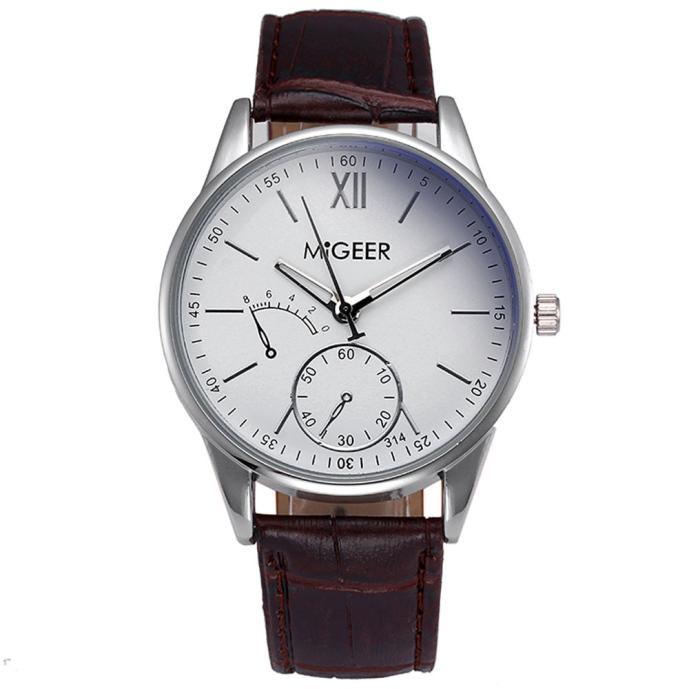
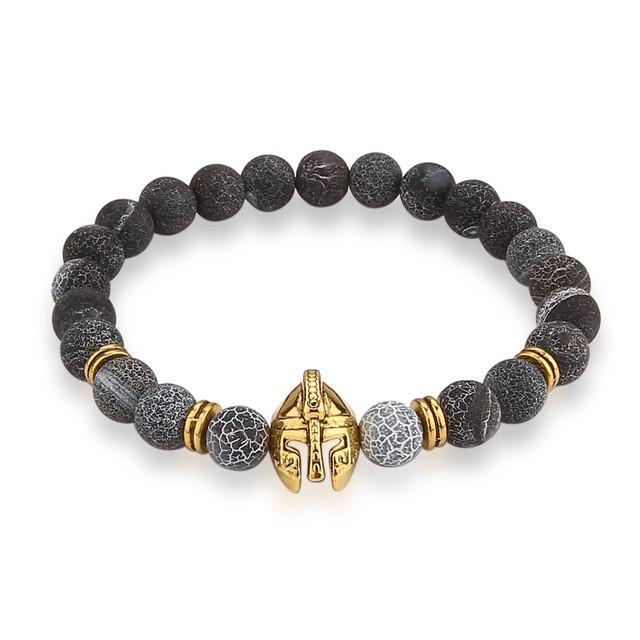
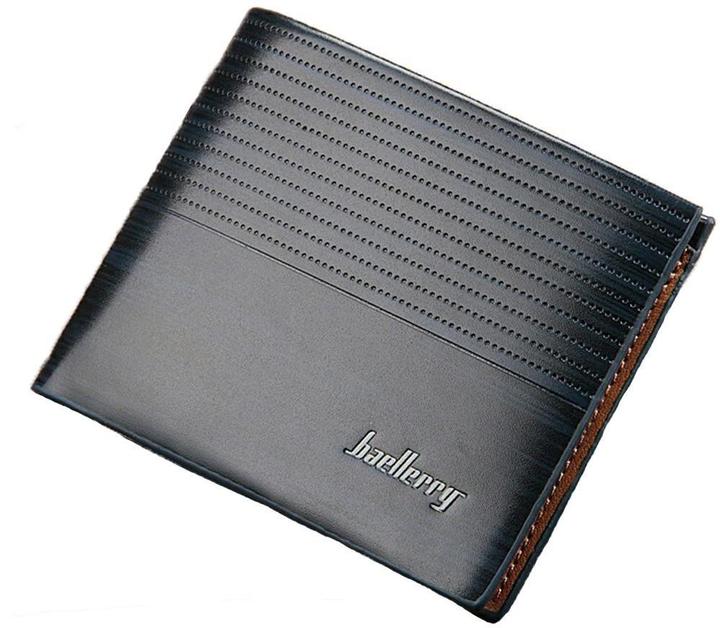
    Opening sale on accessories on from the team over at ample living offering quirky and premium wallets and watches that are sure to pique your interest at an affordable price range. Have a look at our Instagram feed for inspiration and ideas on how to combine your suit with a new watch.

    Ample living pride themselves on providing great quality products at affordable prices for you. With a growing range of products being added to their line up and a budget that suits everyone in mind we would encourage you to bookmark their page and keep an eye out for future updates.And as always stay tuned for more updates from the menswear team, feel free to have a look at some of the samples from ample living and tell us what you think.


  • Suit your self, the ultimate introduction to suits.

    Suit your self, the ultimate introduction to suits.

    Congratulations must be in order, because you’ve landed that new job, or have an exciting event to attend, or have otherwise made the decision that it’s time to suit up! Choosing and fitting a suit can seem intimidating if you’ve kept things casual until now, but we promise it’s not complicated. With a few of these basics in mind, you’ll be able to find an appropriate suit for your needs, and make sure it fits impeccably. First things first, let’s go over some sartorial terminology. You may come across these words as you peruse the racks, or shop online, or work with a tailor to get your fit just right.


    Terminology (Suit Lingo)


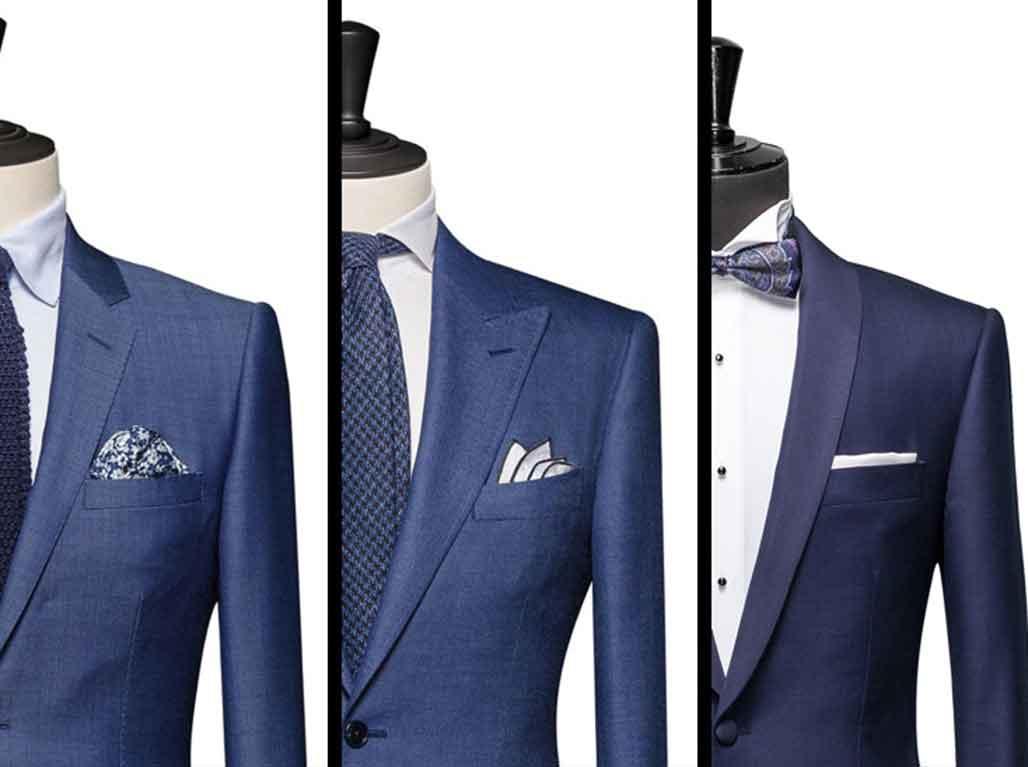
    Lapel – The pieces of fabric that fold over on either side of the jacket opening. They can be notched for casual and business purposes, or in a peaked or shawl style for more formal occasions.


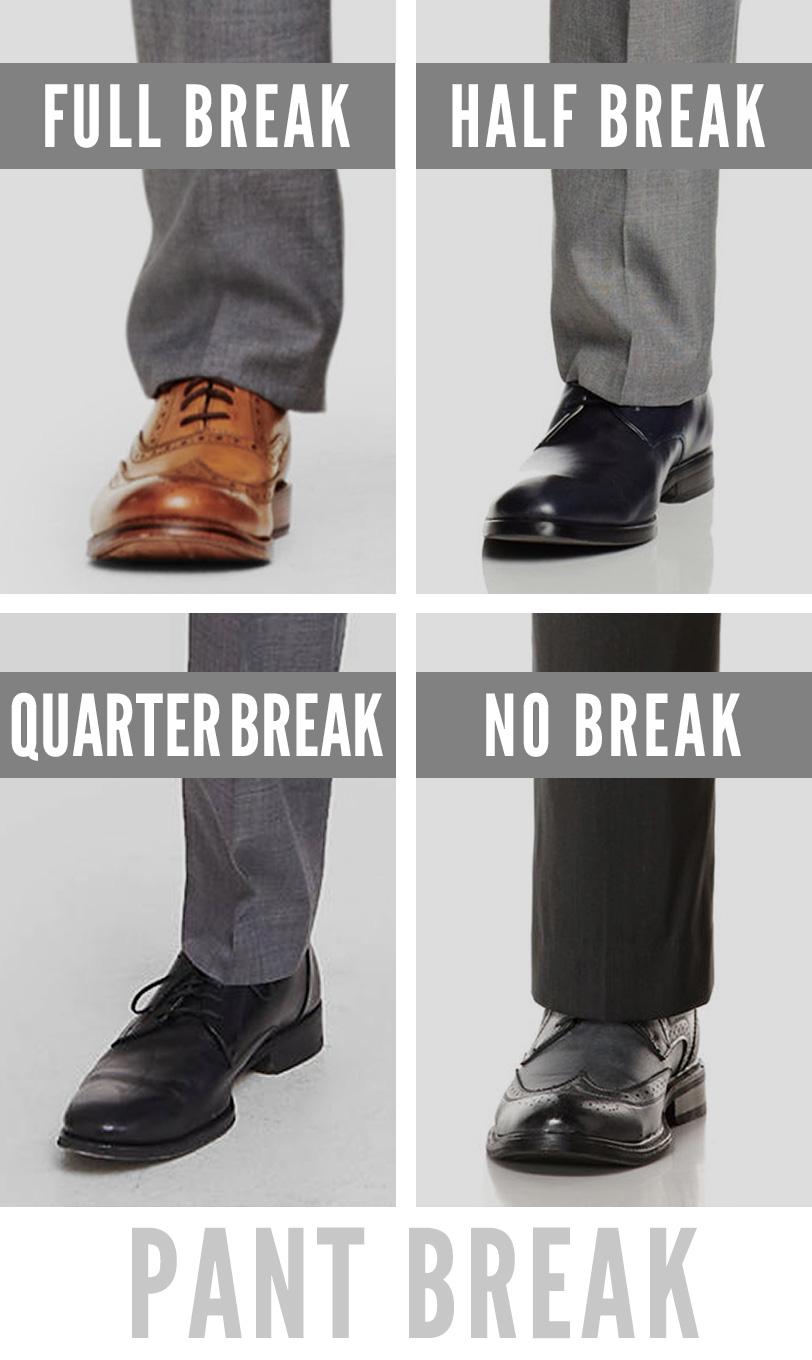
    Break – How much the bottom of your pant covers your shoe. This helps you determine the proper pant length 


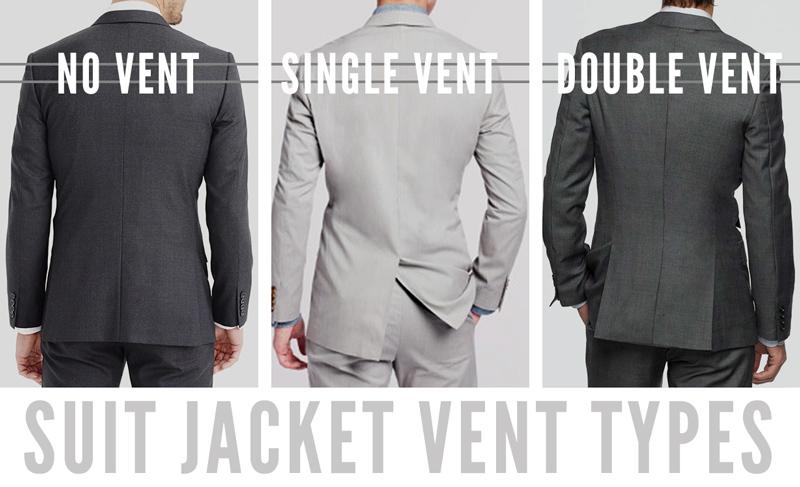
    Vents – Slits in the hem of a jacket. There are either 2 on the sides, one in the middle, or none


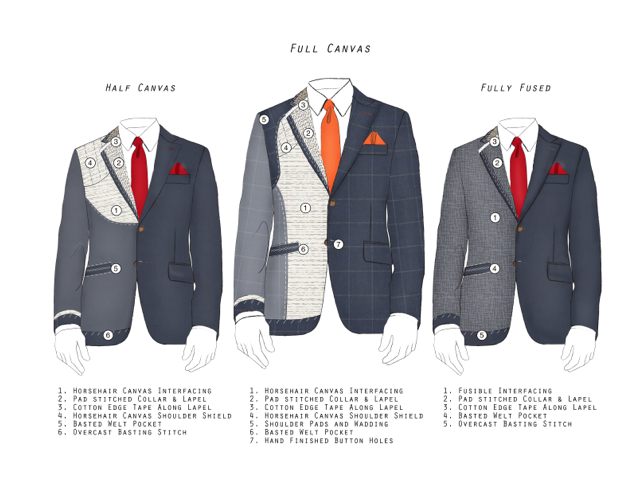
    Canvas – A panel of wool or horsehair inside the front of the jacket. This forms to the body over time, creating a smooth fit over the chest. Usually found in higher end suits

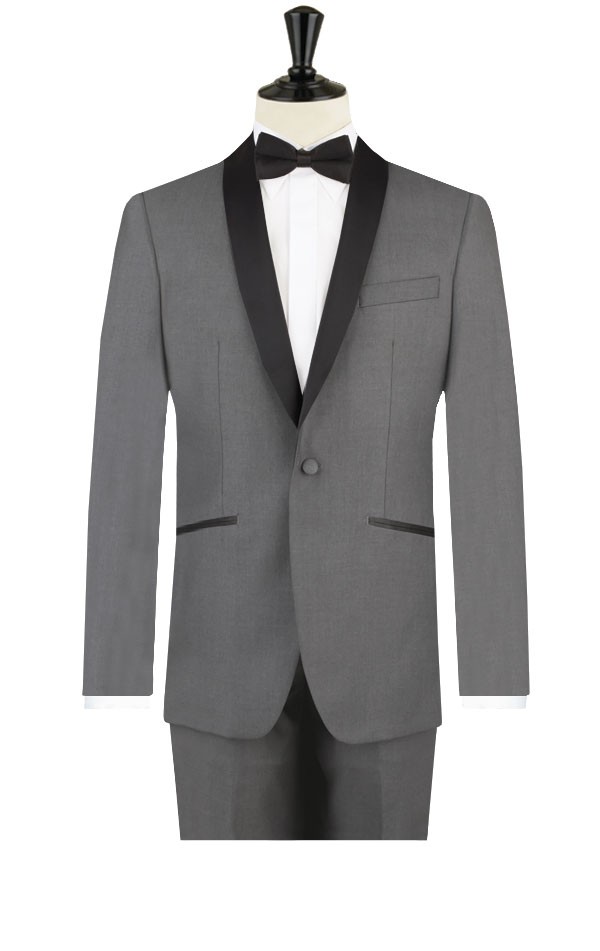
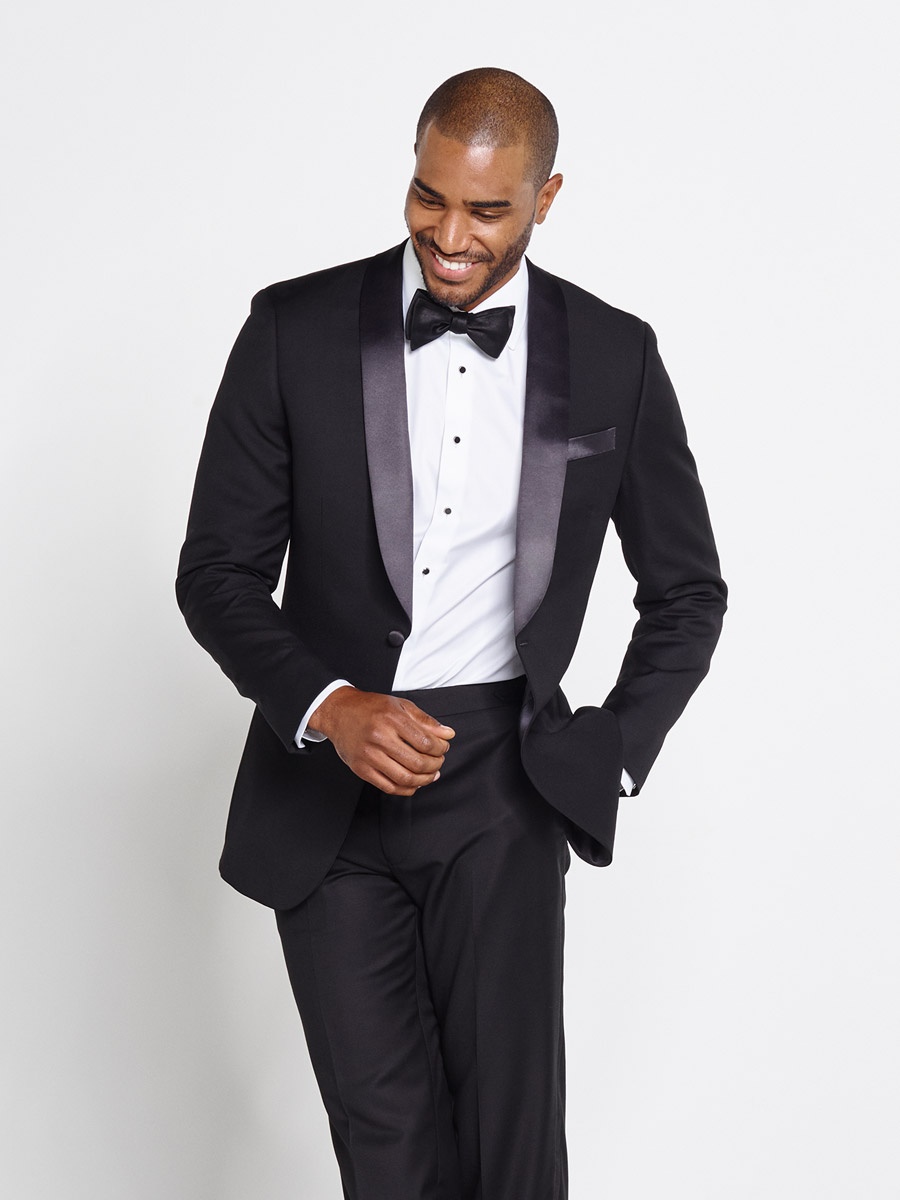
    Tuxedo – A formal suit, differentiated from a regular suit by a satin lapel, a satin stripe down the side of the leg, and satin covered buttons.

    Choosing a suit


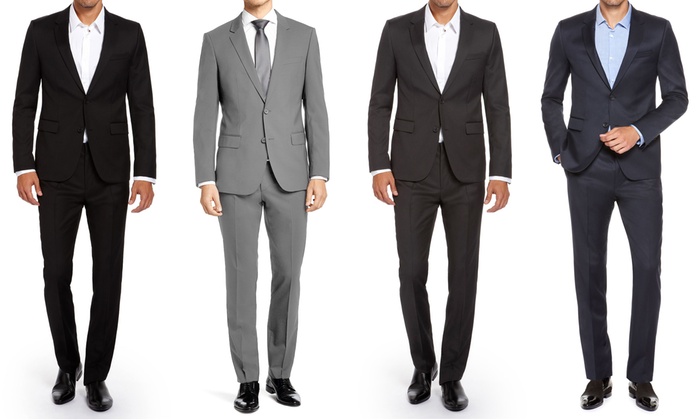
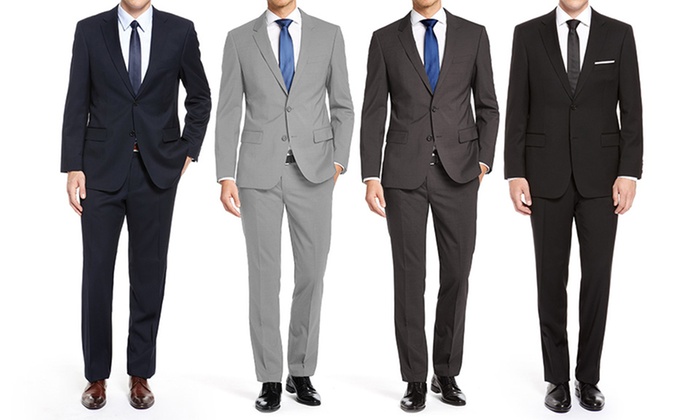
    Consider what your suit is for. For professional needs like a job interview or everyday office wear, you should start with a simple, solid-colored suit. Medium grey is perfect for your first work suit, because it is classic and appropriate for modern and conservative offices alike. Navy is a great second suit to add to your rotation. Again, simplicity is key as you start out, because these first suits are the foundations of your work wardrobe. You have your entire career to explore pinstripes and patterns. Is your suit for a particular event? We’ll help you with that ever-mysterious dress code.

     Business Casual – Suit not required, but you can stay buttoned up with slacks, a collared shirt, and maybe even a sport coat


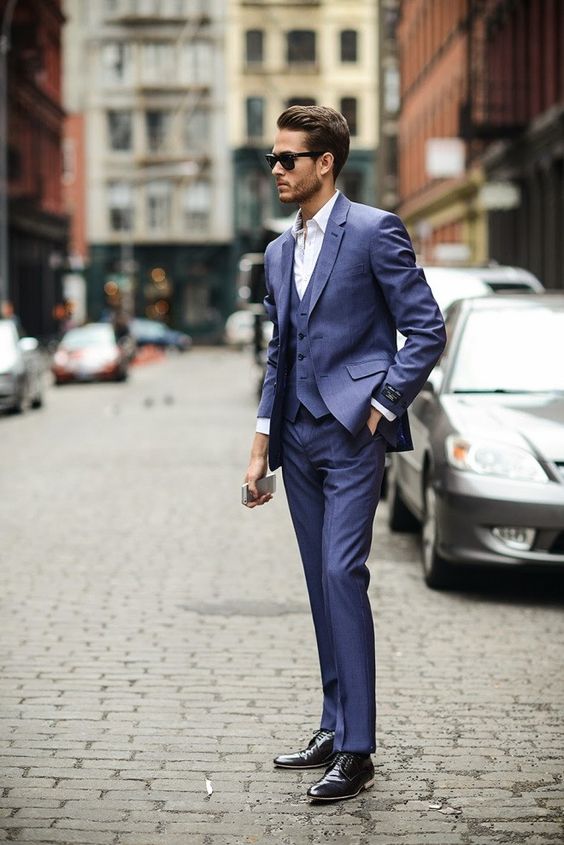
    Semi Formal – A bit more elevated, opt for a suit in a grey, navy, or a modern, bright blue. You can have fun with a textured tie here, but keep your outfit simple and clean


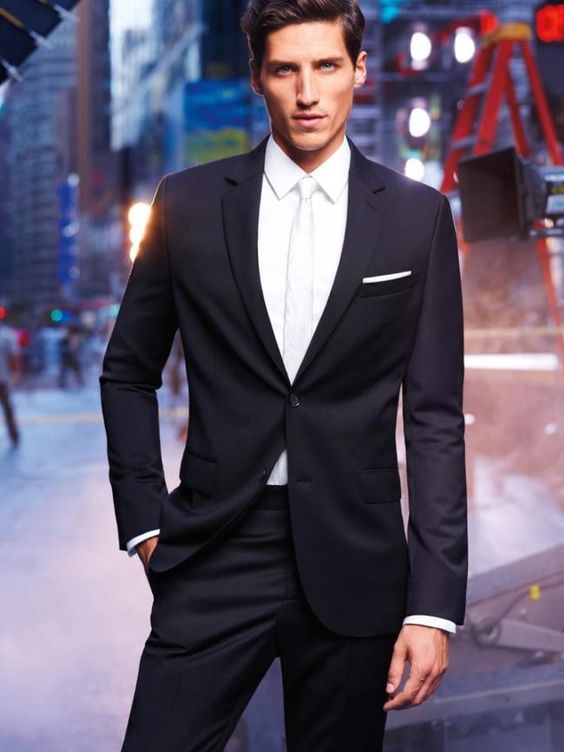
    Formal – You don’t have to go all the way to a tux, but wear your most dashing dark-colored suit, a crisp white dress shirt, and a simple tie.


    Black Tie – This is your James Bond moment. Wear your tuxedo, whether it be black, midnight blue, grey, or a festive hue. Top it off with a bowtie.


    Creative Black Tie

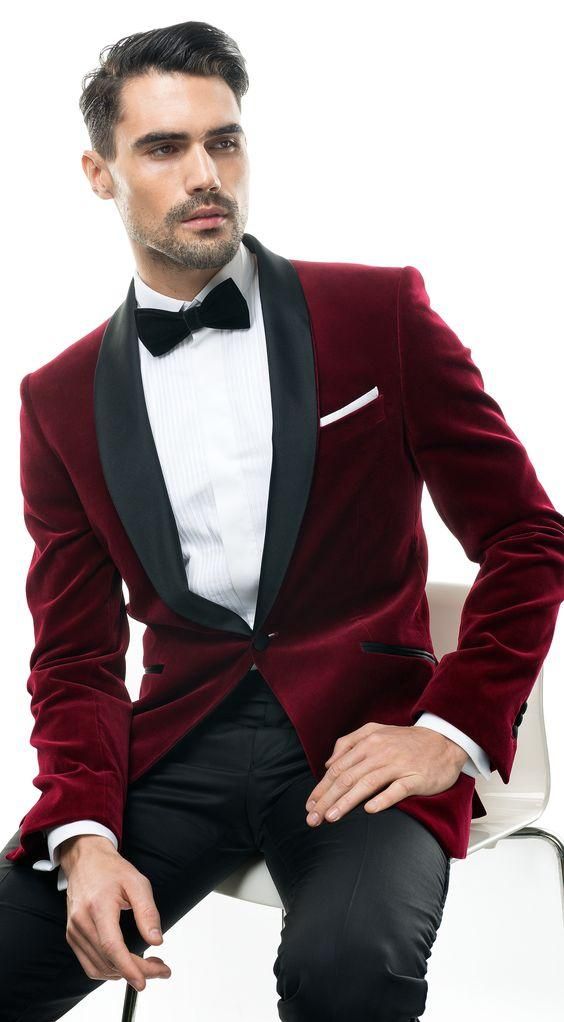
    You know how on Red Carpets, you see gents in velvet jackets, patterned bow ties, and sockless loafers? It’s like that. Use this opportunity to be formal but show some personal flair. A good formula is to keep the majority of your outfit classic while adding one trendy, dapper detail.

    Getting the right fit


    Whatever the brand, whether off the rack or custom tailored, all suits start with a general fit style. This indicates how much room is between your body and the suit. Regardless of your preference, there are a few rules that apply to every fit. Always make sure you can button your jacket without the fabric pulling, and that you’re able to easily fit an outstretched hand into the front of the jacket while it’s buttoned. Sleeves should hit around where the base of your thumb meets the wrist with your arms down at your sides, and show about a half-inch of shirt cuff. Finally, never buy a suit without sitting down in it first. This will help you discover how the seat, thighs and waist fit.

    If you like your clothes to fit snugly against your body, you’ll probably be comfortable in a slim style. Look for words like Slim, Modern and European. A note about slim pants: You’ll want a minimal break, meaning about a half an inch or less of fabric creasing over your shoe. Any more, and the fabric will bunch up like an accordian.


    If you prefer a more conservative fit style, you’ll feel at home in a regular or relaxed style. This doesn’t have to mean boxy! The fabric should still graze the shape of your body, not hang too loosely. For this version, look for words like Classic, Regular and American.


    Remember, these fit styles are simply guides, and do not guarantee a perfect fit every time. While a good starting point, they cannot account for especially broad shoulders, muscular legs, non-average heights, and all of the nuances that bodies have. That is why tailoring is so important. Suits are an investment, and alterations are more often than not a part of that cost. One or two sessions with a tailor’s expert eye and sewing skills can mean the difference between a suit that sits in your closet, and a suit that joins you for all the big moments of your life.


    And if you’re in between sizes, keep in mind it is easier to take in than let out. A great suit can take you many places, whether it’s the boardroom, the Red Carpet, the altar, or anything in between. Keep this guide in mind and you’ll be sure to dress with confidence.